
Top 5 Essential Considerations for Building or Renovating Your Dream Home
Building or renovating a dream home is an exciting journey filled with possibilities. Yet, it can also be overwhelming without clear priorities. Whether you are starting from scratch or transforming an existing space, focusing on the right factors early on can save time, money, and stress. This guide highlights five essential considerations that will help you create a home that fits your lifestyle, budget, and future needs.
Define Your Vision and Priorities
Before any construction or renovation begins, clarify what your dream home means to you. This step goes beyond choosing colors or styles; it involves understanding how you want to live in the space.
List your must-haves and nice-to-haves. For example, do you need a home office, a large kitchen, or extra bedrooms for a growing family?
Consider your lifestyle. If you entertain often, open-plan living might be important. If you work from home, soundproofing and natural light could be priorities.
Think about future needs. Will your family size change? Do you plan to age in place? Planning ahead avoids costly changes later.
By defining your vision clearly, you can communicate effectively with architects, builders, or contractors and avoid costly misunderstandings.
Set a Realistic Budget and Plan for Contingencies
Budgeting is one of the most critical parts of building or renovating a home. Many projects run over budget due to unforeseen issues or changes in scope.
Research costs thoroughly. Get multiple quotes for materials and labor. Include permits, design fees, and landscaping.
Allocate a contingency fund. Set aside at least 10-15% of your budget for unexpected expenses such as structural repairs or price increases.
Prioritize spending. Decide which features deserve the biggest investment and where you can save without compromising quality.
For example, investing in energy-efficient windows may cost more upfront but save money on heating and cooling over time. A clear budget helps keep your project on track and reduces financial stress.

Choose the Right Location and Understand Site Conditions
Location affects not only your daily life but also the design and cost of your home. Whether you are building on a new plot or renovating an existing property, understanding the site is essential.
Evaluate neighborhood amenities. Schools, transport, shops, and safety impact your quality of life and property value.
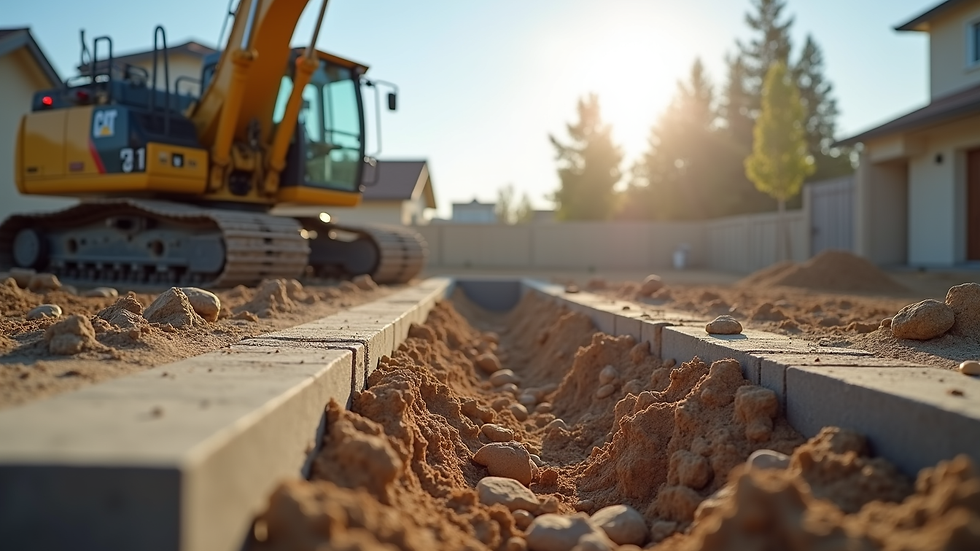
Assess the land’s topography and soil. Slopes, drainage, and soil type influence foundation design and landscaping.
Check local regulations and restrictions. Zoning laws, building codes, and heritage overlays can limit what you can build or change.
For instance, a sloped site may require retaining walls or special foundations, increasing costs. Knowing these factors early helps you make informed decisions and avoid delays.
Focus on Quality Materials and Sustainable Design
The materials and design choices you make affect your home’s durability, comfort, and environmental impact.
Choose materials that suit your climate. For example, brick or stone can provide thermal mass in hot climates, while insulation is crucial in colder areas.
Incorporate energy-efficient features. Solar panels, LED lighting, and efficient heating and cooling systems reduce utility bills and carbon footprint.
Consider low-maintenance options. Durable finishes and easy-to-clean surfaces save time and money over the years.
Sustainable design not only benefits the environment but also adds long-term value to your home. For example, installing double-glazed windows can improve comfort and reduce noise.
Work with Trusted Professionals and Communicate Clearly
Your dream home depends on the skills and reliability of the people you hire. Choosing the right team and maintaining clear communication is vital.
Hire licensed and experienced architects, builders, and contractors. Check references and past projects.
Set clear expectations and timelines. Regular meetings and updates help avoid surprises.
Document all agreements in writing. Contracts should cover scope, costs, deadlines, and warranties.
For example, a builder who understands your vision and communicates openly can suggest practical solutions and keep the project moving smoothly. Don’t hesitate to ask questions or request changes early.
Comments