
Steps to Building Homes in Canada: A Comprehensive Guide
Building a new home is an exciting journey filled with decisions, planning, and milestones. In Canada, the process involves unique considerations due to climate, regulations, and market dynamics. I want to share a clear, step-by-step guide to help you navigate the complexities of building homes in Canada confidently. Whether you are a homeowner, property investor, or commercial business, understanding these steps will empower you to make informed choices and achieve the best results.
Understanding the Process of Building Homes in Canada
Building homes in Canada requires a structured approach that balances creativity with compliance. The first step is to define your vision clearly. What type of home do you want? What features are essential? This clarity will guide every decision that follows.
Next, securing land is crucial. Location impacts everything from design to resale value. Consider proximity to amenities, schools, and transportation. Once you have your lot, the design phase begins. Collaborate with architects and designers who understand local building codes and climate challenges.
Permits and approvals come next. Canadian municipalities have strict regulations to ensure safety and sustainability. You will need to submit detailed plans and wait for approval before construction can start. This phase can take weeks or months, so patience is key.
Finally, construction begins. Hiring a reputable general contractor is essential. They coordinate subcontractors, manage timelines, and ensure quality. Regular site visits and communication keep the project on track.
Key Considerations When Building Homes in Canada
When building homes in Canada, several factors demand attention to ensure success. Climate is a major one. Harsh winters require homes to be well-insulated and energy-efficient. Materials must withstand freeze-thaw cycles and heavy snow loads.
Budgeting is another critical aspect. Costs can escalate quickly if not managed carefully. I recommend creating a detailed budget that includes contingencies for unexpected expenses. Transparent financial planning helps avoid surprises and keeps the project viable.
Sustainability is increasingly important. Many builders now incorporate green technologies such as solar panels, energy-efficient windows, and smart home systems. These features not only reduce environmental impact but also increase long-term savings.
Choosing the right contractor is vital. Look for experience, references, and a proven track record in your region. A good contractor will provide clear contracts, timelines, and regular updates.
Finally, consider future resale value. Features like open floor plans, modern kitchens, and quality finishes appeal to buyers and investors alike.

Will Housing Prices Drop in 2026 in Canada?
Predicting housing prices is never an exact science, but several trends suggest what might happen in 2026. Economic factors such as interest rates, inflation, and government policies will play significant roles. Some experts anticipate a stabilization or slight decline in prices due to increased housing supply and tighter mortgage rules.
However, demand remains strong in many Canadian cities, especially in Ontario. Population growth and limited land availability continue to support prices. For those involved in new home construction canada, this means opportunities to build homes that meet evolving market needs.
Investors and homeowners should monitor market reports and consult with real estate professionals regularly. Being proactive allows you to adjust strategies and capitalize on favorable conditions.
Practical Steps to Start Your New Home Construction Project
Starting a new home construction project involves several actionable steps:
Define Your Goals - Clarify your budget, timeline, and must-have features.
Secure Financing - Obtain pre-approval for construction loans or mortgages.
Choose Your Land - Evaluate location, zoning, and site conditions.
Hire Professionals - Engage architects, engineers, and contractors with local expertise.
Design Your Home - Work closely on plans that meet your needs and comply with codes.
Obtain Permits - Submit applications and address any municipal requirements.
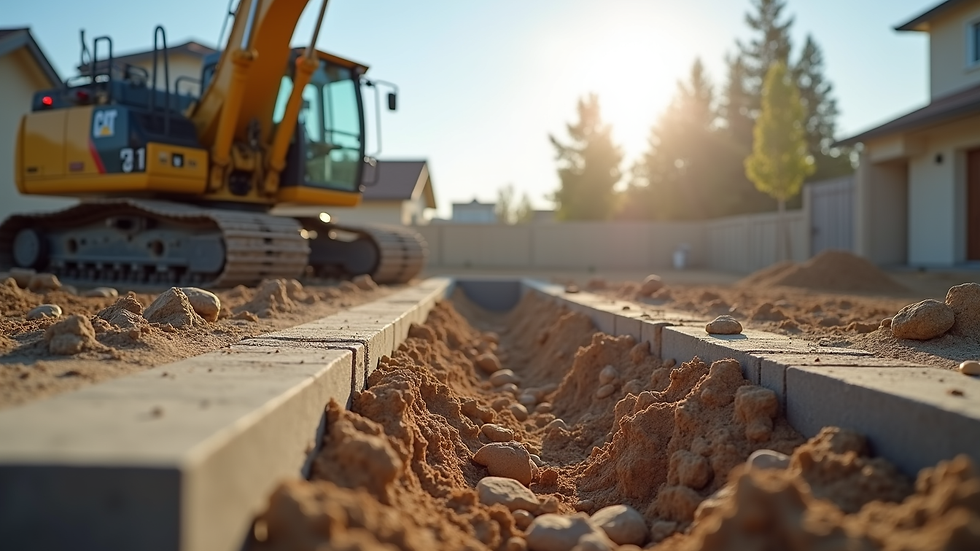
Prepare the Site - Clear land, grade soil, and set up utilities.
Begin Construction - Follow the schedule, monitor progress, and communicate regularly.
Inspect and Finalize - Conduct inspections, address punch list items, and obtain occupancy permits.
10. Move In and Maintain - Enjoy your new home and plan for ongoing maintenance.
Each step requires attention to detail and proactive management. Document everything and keep open lines of communication with your team.
Maximizing Investment and Quality in New Home Construction
To maximize your investment, focus on quality and transparency throughout the build. Choose durable materials that suit the Canadian climate. Insist on energy-efficient systems to reduce operating costs.
Financial transparency is essential. Request detailed quotes and track expenses against your budget. Avoid changes late in the project, as they often increase costs.
Consider future-proofing your home with flexible spaces and smart technology. These features add value and appeal to a broad range of buyers or tenants.
Regular site visits and progress reports help catch issues early. A collaborative approach with your contractor ensures your vision is realized without compromise.
By following these principles, you can build a home that offers comfort, efficiency, and strong returns.
Building a new home in Canada is a rewarding endeavor that requires careful planning and execution. By understanding the process, considering key factors, and managing your project diligently, you can create a home that meets your needs and stands the test of time. For those interested in new home construction canada, partnering with experienced professionals ensures a smooth journey from concept to completion.

Comments